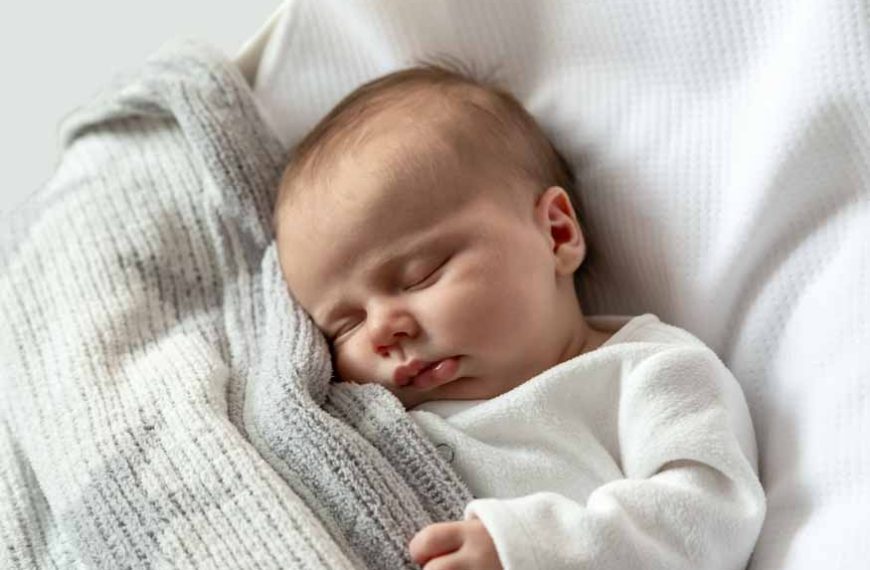
We’ve all dreamed of sleeping like a baby (new parents would especially enjoy this little treat), and newborns do what they do best for about 16 hours a day in a 24-hour period: sleep peacefully. They sleep in short bursts lasting 40 to 60 minutes. As they grow into infancy and toddlerhood, their capacity to sleep increases, and they can even sleep for hours at a stretch. However, is it a good idea to let your baby sleep for hours at a stretch, or should you wake them up within three to four hours of napping? It is believed that the latter is considered a more beneficial option for both babies and parents. In this article, we’ll explore the benefits of sleep for babies and also why we should wake them up after a certain amount of time.
What Are The Benefits of Sleep For Babies?
1. Essential For Physical Growth
When babies sleep, a growth hormone called somatotropin is released. In babies, 80% of this hormone is released after they reach the non-REM stage of the sleep cycle. If babies don’t receive adequate sleep, it can hinder their physical growth. Sufficient sleep also aids digestion, healthy weight gain, and overall growth.
2. Mental Development
Every adult is advised to get at least 8 hours of sleep at night to recharge and rejuvenate, and a good night’s rest helps the brain reset and fight off lethargy. It isn’t any different for babies. You may be surprised to learn that most of the baby’s brain development happens while they sleep. As they make memories, their brain stores all they’ve learned during the day when asleep. So, a well-rested baby will have better cognitive development than a baby who’s not getting adequate sleep. Healthy sleep patterns are also linked to emotional well-being and help with emotional regulation, while lack of sleep can make babies fussy and irritable.
3. Improved Immune System
Sufficient sleep is necessary for a baby as it boosts their immune system. Sleep enhances the production of cytokines, proteins that play a key role in immune system function. Hence, the better rested a baby is, the better equipped they are to fight off infections and illnesses.
4. Motor Skill Development
Sleep is necessary for babies, as it supports the development of both gross and fine motor skills. Gross motor skills like crawling and walking and fine motor skills like reaching out and grasping objects are strengthened by a healthy sleep cycle.
5. Parental Wellness
A healthy, happy, well-rested child often means the same for parents. Babies who sleep well are a boon to parents, as it positively impacts their overall well-being. When babies sleep better, parents can also find time to squeeze in naps and better manage their daily chores and responsibilities.
Now, let’s take a look at when it’s a good idea to awaken sleeping babies.
Read More – Effective Child Bedtime Routines
When To Awaken Sleeping Babies
1. It’s Feeding Time
One reason you must wake your baby is to ensure they are fed on time. If there’s a feeding schedule you follow every day, stick to it, even if it means waking your baby up. Following the schedule will also help your baby grasp the concept of time and routine. If it’s been more than three hours since the last feed, it’s time to feed your baby again and give him the adequate calories and nutrition he needs on a daily basis.
2. Your Baby Is Oversleeping
Did you know that babies spend 95% of their time sleeping in the womb? While sleeping through the day may be a common practice in newborn babies, it is best not to encourage this pattern as they grow older. Pay attention to total naptime during the day. If your baby already takes two healthy-timed naps, it’s best to eliminate the third nap altogether. Ensure that each nap is not longer than three hours.
3. When You’re Trying to Set A Nighttime Routine
Children will do well to go to bed by 8 pm. If you start setting a schedule for them early on, it will be easier to follow as they grow older. In order to do so, keep an eye on your child’s last nap for the day. If your child is under 4 months old, the last nap should end at 6pm; for those around 10 months old, it should end at 5pm. For children over 14 months old, the last nap should be at 3:30 pm.
Read More – How to Help a Sick Child Sleep Better
How To Gently Awaken Your Baby
While some babies may sleep like a log, some wake up to the sound of a pin. Suddenly jerking babies awake may scare them, put them in a foul mood, and make them cry. Try these gentle and easy ways to wake your baby up:
- If you use a sound or white noise machine to help put your baby to sleep, gently turn down the volume first, then turn it off.
- Don’t open the curtains or blinds at once or in a flourish. Do it slowly so that your waking baby can adjust their vision as they transition from dark to light.
- Gently rub their back or their forehead to alert them to safe movements.
- If there is a particular nursery rhyme or song your child is fond of, sing it to them as they wake up to your soothing voice.
- If you like to have your baby napping in a swaddle, slowly and gingerly unswaddle them. Once their arms are free, they will most likely notice their movements by themselves and wake up on their own.
- If there are other small children and pets in the house, ensure they are not around when the baby is sleeping or when you are waking the baby Pets and younger siblings may be excited to see the young one awake and may want to start playing with them immediately, which can lead to unexpected behavior.
- Read More – Why Early Bedtime is Crucial for Preschoolers Development
Conclusion
As babies grow into fully functioning young adults, parents may look back at their initial days with pride. What they may not notice is how something as basic as sleep, and how much or how little they sleep, also plays an important role in shaping their overall growth and development. At EuroKids, we pay attention to every single child and help them become the best version of themselves through interactive learning, healthy playtime, and a world of wonder to prepare them for future challenges. As India’s preschool expert, we urge you to start your child’s early education journey with us.
Frequently Asked Questions (FAQs)
1. Should I wake my newborn to feed?
Some newborns may need to be woken for regular feeds, particularly during the early days or if they have not regained their birth weight or have other feeding or health concerns. Follow your pediatrician’s advice about feeding intervals.
2. How long can a baby sleep without feeding?
There is no single duration that applies to every baby. Feeding needs depend on age, growth, health, and whether the baby is breastfed or formula-fed. Ask your pediatrician about an appropriate feeding pattern for your baby.
3. Should I wake my baby from a long daytime nap?
Not always. If your baby is healthy and sleeping well at night, there may be no need to interrupt a daytime nap. However, if long or late naps consistently interfere with nighttime sleep, discuss adjusting the schedule with your paediatrician.
4. How can I wake my baby without making them cry?
Try gradually increasing the light, talking softly, singing, gently touching their back or feet, or changing their nappy. Avoid sudden movements and loud noises.
5. Is it normal for newborns to sleep a lot?
Yes. Newborns generally spend a large portion of their day sleeping, usually in several shorter periods. Their sleep patterns gradually change as they grow.