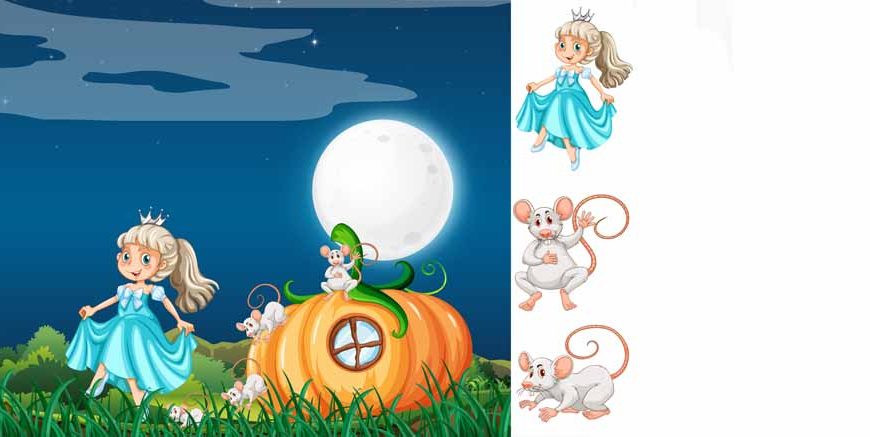
You often find yourself searching for the right tools to teach your child about resilience. It is a challenge every parent faces in a world that often rewards speed and aggression over patience and grace. You want your child to be successful, but you also want them to be kind. Striking that balance can feel impossible when you look at the competitive nature of modern schooling and social environments. You might wonder if teaching kindness is actually setting them up to be left behind. The answer to this modern parenting dilemma lies in one of the oldest stories in our cultural library. The Cinderella story is not just about magic pumpkins and glass slippers. It is a profound narrative about the strength of character in the face of adversity.
When you look past the fairy godmother, you see a young woman who maintains her dignity when she has every reason to be bitter. This is the lesson you want to impart to your child. It is about emotional intelligence and the strategic power of kindness. This blog will guide you through the deeper meanings of the tale, offering you a fresh perspective on who is Cinderella and how her journey can serve as a blueprint for your child’s emotional development. We will explore the narrative, the cultural impact of the cinderella disney character and the tangible moral lessons that are as relevant today as they were centuries ago.
Who Is Cinderella? Beyond the Ashes
You likely know the basics of the character, but have you ever stopped to analyse the psychological depth she represents? When we ask who is cinderella, we are really asking about the nature of victimhood versus agency. She is often criticised for being passive, but a closer look reveals a different story. She is a character of immense internal strength. She endures abuse and isolation without allowing it to corrupt her own nature.
This distinction is vital for you to teach your child. True strength is not always about fighting back with force. Sometimes, it is about maintaining your own values when the environment around you is toxic. Cinderella represents the concept of “grace under fire”. She works hard, she honours her commitments and she treats others with respect even when she receives none in return. In a business or leadership context, these are high-value soft skills. By introducing this character to your child, you are providing them with a role model who demonstrates that integrity is a long-term strategy. It is a powerful counter-narrative to the idea that you have to be ruthless to get ahead.
Read More – Classic Fairy Tales Every Child Should Read
A Detailed Cinderella Short Story Summary
The narrative arc of this tale is perfect for teaching children about story structure and emotional resilience. A proper cinderella short story summary begins with a happy childhood that is abruptly ended by tragedy. Cinderella loses her mother and her father remarries a woman who, along with her two daughters, is cruel and envious.
Upon her father’s death, Cinderella is demoted to the role of a servant in her own home. She is forced to sleep by the fireplace, covered in cinders, which earns her the nickname. Despite this, she remains kind to the animals and maintains a hopeful spirit. The turning point comes when the King announces a royal ball. Her stepfamily forbids her from going, ripping her dress and leaving her in tears. This is the moment of lowest hope.
However, her kindness is rewarded. Her Fairy Godmother appears, transforming a pumpkin into a carriage, mice into horses and her rags into a stunning gown. The caveat is the midnight deadline. Cinderella attends the ball and captivates the Prince not just with her beauty, but with her mystery and grace. She flees at midnight, leaving behind a single glass slipper. The Prince searches the kingdom, and despite the stepmother’s attempts to hide her, the slipper fits only Cinderella. She forgives her stepfamily and leaves to start a new life. This narrative shows your child that current circumstances do not dictate future potential.
Read More – Enchanting Princess Stories for Kids to Enjoy
The Impact of the Cinderella Disney Princess
For many children, the primary introduction to this tale is the 1950 animated classic. The Cinderella Disney princess version cemented specific imagery in the public consciousness, such as the blue dress and the glass slipper. Disney took a folk tale that existed in thousands of variations across cultures (from China’s Ye Xian to the Brothers Grimm’s Aschenputtel) and unified it into a single, globally recognised story.
You can use the Cinderella Disney character as a starting point for a broader discussion. While the movie adds whimsical elements like talking mice and songs, the core emotional truth remains. The visual medium helps younger children understand the contrast between the dark, cramped world of the stepmother’s house and the bright, expansive world of the palace. It visually represents the internal state of the characters. The stepmother is sharp and angular, while Cinderella is soft and flowing. You can discuss these visual cues with your child to help them develop visual literacy. Ask them why the artist chose those colours or shapes. It turns a passive movie-watching experience into an active learning session about how we perceive good and bad character traits.
Decoding the Morals: Kindness as Strategy
The most significant takeaway from the Cinderella story is that kindness is a form of currency. In the story, Cinderella’s kindness to the Fairy Godmother (often disguised as an old woman in older versions) is what unlocks the magic. This teaches your child that networking and relationships matter. Being good to others often creates opportunities in unexpected ways.
Another key moral is the concept of time management and rules. The magic has a strict deadline. Midnight is non-negotiable. This introduces the idea that even wonderful opportunities have constraints that must be respected. If Cinderella had ignored the rule, the consequences would have been public humiliation. You can use this to explain to your child why bedtimes or homework deadlines exist. They are not arbitrary punishments but boundaries that help us function successfully.
Furthermore, the story teaches that truth cannot be hidden forever. The stepmother tries to lock Cinderella away, but the truth literally walks through the door in the form of the Prince and the slipper. This reassures children that honesty and authenticity will eventually be recognised. It encourages them to be themselves rather than trying to fit into a “shoe” that does not fit them.
Read More – Animated Fairy Tale Movies for Kids to Enjoy
Why Fairy Tales Are Crucial for Development
Fairy tales like this are not just escapism. They are essential for cognitive development. They allow children to process complex emotions like fear, grief and hope in a safe environment. When you read the Cinderella story to your child, you are helping them navigate their own feelings of unfairness. Every child feels like they are being treated unfairly at some point, whether it is having to do chores or sharing toys.
Cinderella validates those feelings but shows a constructive way to handle them. Instead of throwing a tantrum, she channels her energy into her work and her dreams. This promotes emotional regulation. The clear structure of the story, beginning, middle and happy ending, also provides a sense of security. It tells the child that no matter how scary or difficult things get, there is a resolution. This builds psychological resilience. It helps them understand that bad phases are temporary.
The EuroKids Approach to Storytelling
At EuroKids, we believe that stories are the vessels of culture and values. We integrate these classic narratives into our Heureka curriculum, which emphasises “Mindful Learning” and holistic development. We do not just read the story to the child. We encourage them to question the characters, act out the scenes and understand the emotions behind the actions.
This method ensures that your child is not just a passive listener but an active participant in their own moral education. We use these stories to spark conversations about empathy, discipline and social skills. It is about preparing them for the real world by giving them a strong internal compass.
Read More – Two Cats And A Monkey Story For Kids With Moral Lesson
Conclusion
The story of Cinderella is a timeless resource for you as a parent. It offers a sophisticated framework for discussing difficult topics like bullying, resilience and integrity. By exploring who is with your child, you are helping them define the kind of person they want to be. You are showing them that a soft heart is not a weakness and that patience often leads to the best rewards.
Your role in your child’s education is pivotal, but you do not have to do it alone. If you are looking for an environment that values these lessons as much as you do, consider EuroKids. We are dedicated to nurturing not just the academic mind but the character of every child. You can visit our website to learn more about EuroKids Admission and find a centre near you. For more resources on child development and parenting strategies, we invite you to explore the EuroKids Blog section.
Frequently Asked Questions (FAQs)
1. What is the main moral of the Cinderella story?
The primary moral is that kindness and resilience are powerful forces. It teaches children that maintaining one’s dignity and goodness, even in the face of cruelty and adversity, will eventually lead to triumph and happiness.
2. How does Cinderella teach children about resilience?
Cinderella endures significant hardship without becoming bitter or vengeful. She continues to perform her duties and treat others well. This demonstrates to children that they can control their reactions and attitude even when they cannot control their circumstances.
3. Is the Cinderella Disney princess version different from the original?
Yes, the Disney version is lighter and includes magical elements like talking animals to make it more suitable for younger audiences. The original Grimm brothers’ version is much darker and more graphic. However, the core narrative of a mistreated stepdaughter finding happiness remains the same.
4. Why is storytelling important for early childhood development?
Storytelling aids in language development, improves memory and fosters imagination. It also helps children develop empathy by allowing them to step into the shoes of different characters and understand diverse perspectives and emotions.
5. What age is appropriate for introducing the cinderella short story summary?
You can introduce simple versions of the story to children as young as three years old. As they grow older, around five or six, you can discuss the deeper moral themes and character motivations in more detail.