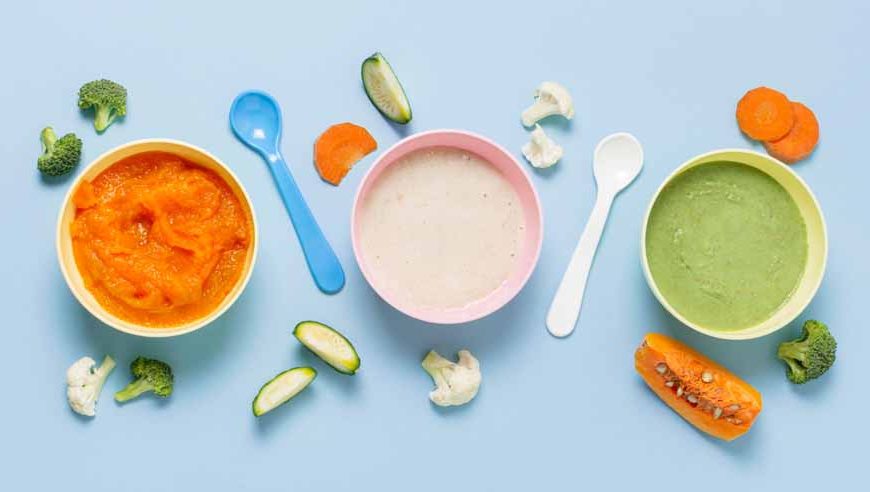
At eleven months, your baby is becoming a little person with preferences and an increasingly curious palate. That moment when they watch you eat with longing, that’s developmental progress. They’re ready for real food. Breastmilk or formula remains their nutritional foundation, but table food now becomes significant. Indian families have a particular advantage with our rich culinary traditions, offering endless possibilities to introduce spices and flavours while building adventurous eating patterns.
Why 11 Months Is The Perfect Time For Dietary Expansion
By eleven months, your baby’s digestive system is mature enough to handle more complex foods. Their ability to self-feed is developing, and they’re nowinterested in what you’re eating. Importantly, children exposed to diverse foods early tend to accept a broader diet throughout life. The spice tolerance and food variety you introduce now become their new normal.
Understanding Your 11-Month-Old’s Nutritional Needs
Your eleven-month-old needs approximately 1,000-1,400 calories daily. Their brain is rapidly developing and it requiressignificant energy. Essential nutrients include iron (brain function), calcium (bone growth), protein (tissue development), and healthy fats (crucial for brain development). Combining iron-rich foods with vitamin C sources optimises nutrition.
Read More – Age-by-Age Feeding Chart for Newborns and Babies
The 11-Month Baby Food List – Top 5 Winners
1. Fruits
Offer soft, naturally sweet options:
- Traditional: Apple, banana, papaya
- Tropical: Mango, chikoo, avocado
- Summer: Peach, watermelon, cherries
- Energy: Dates, apricots
Introduce new fruits slowly, offering one to two teaspoons. Make sure to wait 3-5 days before introducing another.
2. Vegetables
Include nutrient-dense options:
- Orange vegetables: Carrot, pumpkin, sweet potato
- Leafy greens: Spinach (iron and calcium)
- Cruciferous: Cauliflower, cabbage
- Others: Beetroot, bottle gourd, zucchini, corn
Cook until soft for safe self-feeding.
3. Grains and Cereals
Indian grains offer unique nutrition:
- Cereals: Ragi (calcium-rich), jowar, bajra
- Staples: Rice, wheat, oats, dalia
- Special: Sabudana, poha, phool makhana
These provide sustained energy and important micronutrients.
4. Pulses
Protein-rich powerhouses:
- Yellow moong dal (easily digestible)
- Red lentils (soft texture)
- Chickpeas, black dal, urad, toor dal
- Soy beans (complete protein)
Mixing pulses with grains creates complete proteins with all essential amino acids.
5. Dairy Products
Essential for bone development:
- Curd/yoghurt (probiotics aid digestion)
- Paneer (calcium-rich, soft texture)
- Ghee and butter (healthy brain-building fats)
- Cheese (calcium-dense)
Cow’s milk isn’t ideal as a drink until 12 months, but dairy products are okay.
6. Non-Vegetarian Options
Varied protein sources:
- Eggs (complete protein, yolk safest initially)
- Chicken (mild, easily digestible)
- Fish (omega-3 fatty acids for the brain)
- Minced meat (finely processed)
Ensure all non-vegetarian foods are thoroughly cooked and finely minced.
Read More – Foods You Should Avoid for Babies Younger Than A Year
The 11-Month Baby Food Chart: A Week-Long Blueprint
Monday: Ragi dosa | Chikoo pieces | Curd rice with mashed veggies | Formula | Chicken soup with toast
Tuesday: Banana pancakes | Rusk | Peas and potato curry with paratha | Formula | Dosa with sambar
Wednesday: Plain dosa | Stewed apple and pear | Chapati with potato bhaji and dal | Formula | Vegetable pulao with curd
Thursday: Besan ka cheela | Sliced banana | Khichdi with vegetables and curd | Formula | Pumpkin curry with chapati
Friday: Egg yolk on toast | Sweet potato fries | Idli with sambar | Formula | Peas paneer with missi roti
Saturday: Paneer bhurji | Watermelon cubes | Dalia khichdi | Formula | Dal paratha
Sunday: Dalia porridge | Papaya cubes | Mild fish curry with rice | Formula | Vegetable soup with rice
11-Month-Old Indian Baby Food Recipes
1. Ragi Uttapa
Ingredients: ½ cup ragi flour, 2 tbsp curd, 2 tbsp grated carrot, 2 tbsp grated cabbage, pinch of chilli powder
Method: Mix curd with water, combine with ragi flour and vegetables. Cook on non-stick pan until golden. Serve warm.
2. Sattu Apple Porridge
Ingredients: 2-3 tbsp sattu powder, 1 apple (peeled), water
Method: Boil and puree the apple. Mix sattu powder with water, and cook for 5 minutes. Add pureed apple, stir 3 minutes. Serve warm.
3. Suji Halwa
Ingredients: ½ cup suji, 1 cup water, ½ tsp powdered cashews, ½ tsp ghee, 1 pureed date
Method: Roast suji in ghee until fragrant. Add date puree and water, stir to avoid lumps. Add cashews. Serve warm.
4. Rajma Soup
Ingredients: 1 chopped onion, ½ cup rajma (soaked), 2 garlic cloves, 1 tomato, 2 tsp lemon juice, 1 tsp butter, black pepper
Method: Sauté garlic and onion, add tomato. Add rajma, cook with 2 cups of water until soft. Blend to soup consistency, add lemon juice.
5. Jowar and Bajra Vegetable Roti
Ingredients: 2 tbsp jowar flour, 2 tbsp bajra flour, 1 tbsp methi leaves, 1 tbsp grated lauki, 1 tbsp grated carrot, ¼ tsp oil, 2 tbsp ghee
Method: Mix all ingredients, knead into soft dough. Divide into 4 portions, roll into circles. Cook on the tawa until brown spots appear.
Read More – Fiber-Rich Foods for Infants and Young Kids
Safety Guidelines for 11-Month Feeding
Feeding your eleven-month-old safely requires balancing exploration with protection. Your baby is curious, but their developing abilities still need careful management.
Understanding Choking Risks
Choking is a genuine concern. Ensure all foods are soft enough so that they can easily be mashed between your tongue and the roof of your mouth. Avoid hard foods (raw carrots, apples, nuts), sticky foods (peanut butter, honey, marshmallows), and round foods (cut grapes lengthwise into quarters). Make sure to mash or cut small foods like peas and corn kernels.
The Three-to-Five Day Introduction Rule
Introduce one new food at a time, and wait3-5 days before introducing another. This helps identify allergic reactions or sensitivities. If your baby develops a rash, vomiting, diarrhoea, swelling, or difficulty breathing, you’ll know which food caused it. Common allergens include eggs, fish, peanuts, tree nuts, dairy, soy, wheat, and sesame.
Keep a simple food diary, noting what your baby eats and any reactions. This record helps your paediatrician identify patterns.
Introducing Spices Thoughtfully
Indian cuisine celebrates spices. Start with very mild quantities of gentle spices like turmeric and cumin. Add just a pinch initially, observing reactions over several days before increasing quantity. Gradually introduce mild spices like coriander, asafoetida, and fenugreek over weeks. Avoid very hot spices like red chilli powder initially, but introduce mild amounts gradually over months. Spices aren’t dangerous, as they help develop your baby’s palate.
Breastmilk and Formula: Still Essential
Breastmilk or formula remains nutritionally crucial. Your baby still needs approximately 500-600 ml daily for antibodies, immune support, vitamins, and minerals. Continue breastfeeding as frequently as your baby wants; many nurse 3-5 times daily plus overnight. Don’t rush to wean; breastmilk or formula remains essential at this age.
Food Preparation Safety
Always wash your hands before handling baby food. Wash vegetables thoroughly and cook foods to the appropriate softness. Refrigerate prepared food at 4°C and use within 24 hours, or freeze in ice cube trays for up to three months. Thaw frozen food in the refrigerator overnight, never at room temperature.
Recognizing Allergic Reactions
Understand the difference between normal and allergic reactions. Mild symptoms like minor rashes or slight lip swelling are sometimes normal responses. Serious symptoms warrant immediate attention: severe rashes, significant swelling (especially face or throat), difficulty breathing, repeated vomiting, severe diarrhoea, or lethargy.
Contact your paediatrician immediately if you suspect an allergic reaction. Also, keep a record of symptoms and what your baby ate.
Preventing Contamination and Foodborne Illness
Keep your baby’s feeding area clean. Use clean utensils for every meal. Wash bottles and feeding equipment thoroughly. Keep raw and cooked foods separate. Use homemade baby food from trusted sources or regulated commercial baby food. Avoid street food or food from unclear sources.
Managing Feeding Situations Safely
Always supervise your baby during meals. Never leave them eating alone. Sit at the table with your baby and watchthem eat. Feed them in a highchair with proper support. Avoid feeding while they’re playing or distracted, asmobile eating increases choking risks. Create a calm andfocused eating environment.
Understanding Your Baby’s Readiness Signs
Your baby shows readiness for self-feeding when they can pick up soft pieces, bring food to their mouth, and chew appropriately. Some eleven-month-olds manage significant self-feeding; others need mostly spoon-fed meals. Follow your baby’s developmental stage, not timelines.
If your baby struggles with certain textures, adapt accordingly. Chop foods finer or cook them more softly. If they repeatedly gag or seem uncomfortable, ensure foods are appropriately soft. Every baby develops at their own pace.
When to Contact Your Paediatrician
Contact your paediatrician if your baby shows allergic reactions, persistent vomiting or diarrhoea, refuses most foods, has difficulty swallowing, or shows developmental concerns around eating. Also, reach out with questions about specific foods or nutritional concerns. Your paediatrician provides personalised guidance based on your baby’s individual needs.
FAQs
Q1: What is 11-month baby food?
11-month baby food includes soft, age-appropriate table foods that provide complete nutrition. Breastmilk or formula remains foundational while table food becomes significant. Foods should be soft, finely chopped, and free of choking hazards.
Q2: What should be in an 11-month baby food chart?
A comprehensive chart includes all food groups: fruits, vegetables, grains, pulses, dairy, and proteins. Structure meals into breakfast, mid-morning snack, lunch, afternoon milk feed, and dinner. Ensure variety throughout the week with different vegetables, grains, and proteins daily.
Q3: What are the best 11-month-old baby food recipes?
Best recipes combine nutrition with ease of preparation. Soft preparations like khichdi, uttapa, mild curries, dals, porridges, and soups work beautifully. Recipes should include vegetables, grains, and protein sources while avoiding excessive salt and spices.
Q4: How do I create an 11-month baby food schedule?
Structure around family meal times: breakfast (7-8 AM), mid-morning snack (10 AM), lunch (12:30 PM), afternoon formula (3 PM), dinner (6-7 PM). Maintain consistency as babies thrive on predictable routines. Keep meals timed so your baby isn’t overly tired or hungry.
Q5: What are safe foods for 11-month-olds?
Safe foods are soft and finely chopped. Include well-cooked vegetables, soft fruits, well-cooked grains, soft pulses, egg yolk, mild chicken or fish, and dairy products. Avoid hard foods, sticky foods, round foods, spicy foods, and honey.
Q6: How do I introduce spices to an 11-month-old?
Start with very mild spices in tiny amounts. Turmeric and cumin are gentle starting points. Add just a pinch initially, gradually increasing over weeks. Avoid very hot spices initially, but introduce mild amounts gradually over months.
Q7: Should I still breastfeed at 11 months?
Absolutely. Breastmilk remains nutritionally important, providing antibodies and immunity support. Continue breastfeeding as long as desired, ideally beyond 12 months.
Q8: What’s the difference between 10-month and 11-month baby food?
By eleven months, your baby can handle more variety, slightly more texture, and mild spices. Less puree is needed, more self-feeding is encouraged, and the child becomes more confident. The progression is subtle but meaningful.
Q9: How many meals should an 11-month-old eat daily?
Most eleven-month-olds eat three meals daily (breakfast, lunch, dinner) plus one or two snacks, plus breastmilk or formula feeds. This structure ensures adequate nutrition while maintaining breastfeeding. Follow your baby’s hunger cues while maintaining general structure.
Q10: What foods should I avoid at 11 months?
Avoid honey (botulism risk until 12 months), whole nuts (choking hazard), hard vegetables, sticky foods, very spicy foods, very salty foods, added sugar, cow’s milk as the main drink, and anything that could be a choking hazard.
Final Thoughts
At eleven months, you’re building lifelong eating habits and cultural food connections. The variety you introduce now (diverse spices, vegetables, grains, and proteins) shapes what your child will happily eat throughout life. Keep meals relaxed and joyful. Your baby watches how you approach food and whether mealtimes feel connected or tense. Trust your instincts, celebrate eating experiences, and maintain your cultural food traditions while introducing variety. This beautiful window is temporary; your eleven-month-old will happily eat from the family table.
At EuroKids, we believe that an Indian meal is rich in all the essential nutrients that are required for the development of children. Moreover, eating Indian food is a great way for them to foster an appreciation of their roots, even at the tender age of 11 months.
For informative and accurate articles on all things related to your newborn-toddler’s development, growth, health and nutrition, follow EuroKids Blogs and do check out our nationally recognised preschools – EuroKids for the first step in your kid’s educational journey!
You May Also Read: